

Have you ever sat staring at a blank page—not just a literal one, but the metaphorical page of your life—wondering if you’re writing the right story?
In our hyper-connected world, the pressure to “find your purpose” has never been louder. We are told to find our passion, build a brand, and leave a legacy. For the Christian, this search for significance often carries a spiritual weight. We ask: What is God’s will for my life? Am I missing my calling? What does the Bible actually say about purpose?
The beautiful truth is that biblical purpose isn’t a hidden treasure you have to dig for; it is a person you walk with. Whether you are a writer, a parent, a student, or a professional, understanding your God-given purpose changes everything from how you drink your morning coffee to how you face your greatest trials.
1. The Foundation: You Are Not a Cosmic Accident
Before we can understand what we are supposed to do, we must understand whose we are. The modern world views purpose as something you manufacture. The Bible views purpose as something you inherit.
The Theology of Intentionality
In Psalm 139:13-16, David writes, “For you created my inmost being; you knit me together in my mother’s womb… Your eyes saw my unformed body; all the days ordained for me were written in your book before one of them came to be.”
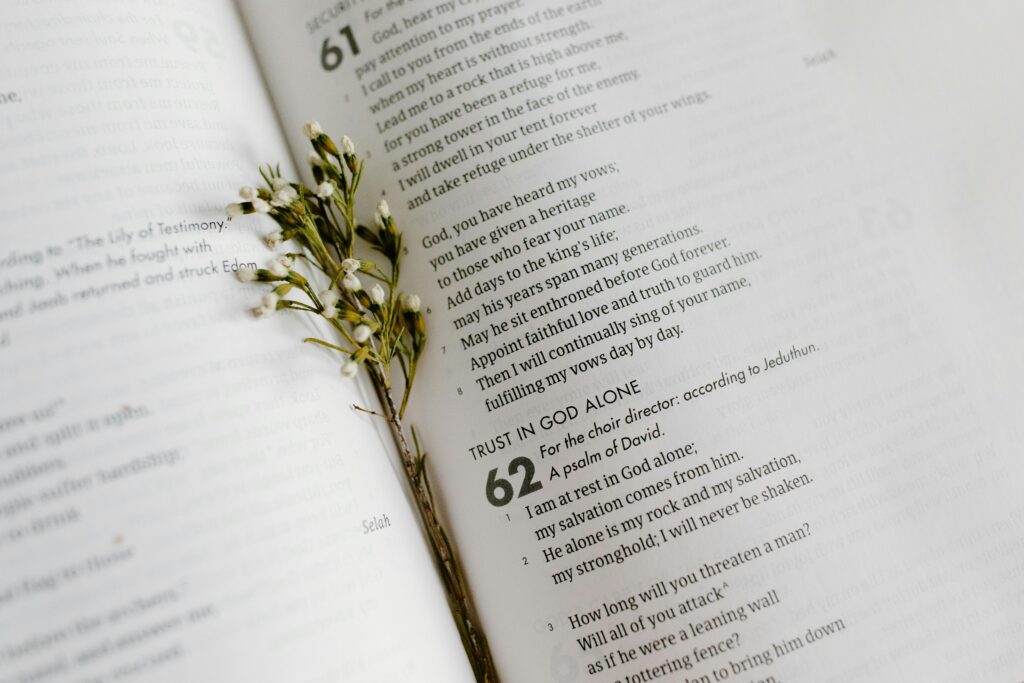
For the writers at Christian Writer Hub, this imagery is profound. God is the ultimate Author. Before you ever picked up a pen or chose a career path, He had already “written” your days. Your existence is a deliberate act of divine creativity. You are not a “discovery” to the universe; you are a “design.”
The “Poiema” of God
One of the most vital scriptures on purpose is Ephesians 2:10: “For we are God’s handiwork, created in Christ Jesus to do good works, which God prepared in advance for us to do.”
The Greek word for “handiwork” or “workmanship” is poiema, from which we get the English word poem. Think about that: Your life is God’s poetry. You were created on purpose for a purpose. If you are breathing today, it is because the “good works” God prepared for you are not yet finished.
2. The Universal Purpose: The “Big Picture”
When we talk about purpose, we often get “micro-focused” on our jobs or locations. But the Bible gives us a “macro” purpose that applies to every believer, regardless of their circumstances. If you feel lost, start here.
To Know and Be Known
Our primary purpose is relationship. In John 17:3, Jesus defines eternal life not as a destination, but as a connection: “Now this is eternal life: that they know you, the only true God, and Jesus Christ, whom you have sent.” If you spent your whole life doing “nothing” but growing in deep intimacy with God, you would have fulfilled your highest purpose.
To Reflect His Glory
Isaiah 43:7 tells us we were created for God’s glory. As “image-bearers,” our job is to act like a mirror. Just as a writer’s work reflects their inner thoughts, our lives are meant to reflect the character, holiness, and love of God to a world that doesn’t know Him yet.
The Great Commission
In Matthew 28:19-20, Jesus gives the “marching orders” for all Christians: Go and make disciples. No matter your specific career, your “industry” is the Gospel. A writer’s purpose isn’t just to sell books; it’s to use words to point people toward Truth.

3. Discerning Your Unique Assignment
While we share a general calling, God also gives us “unique assignments.” This is where many people feel stuck. How do you know if you are on the right path?
Spiritual Gifts and Design
In Romans 12 and 1 Corinthians 12, the Bible explains that the Church is one body with many parts. The eye has a different purpose than the hand.
- What are your natural talents? (God often uses what He gave you at birth).
- What are your spiritual gifts? (Teaching, encouragement, administration, etc.).
- What is your “holy discontent”? (What breaks your heart? Often, your purpose is found where your burden for the world meets God’s power).
For “Such a Time as This”
Consider the story of Esther. Her purpose wasn’t just “to be a queen.” Her purpose was to use her specific position to save her people. Your current season—your current job, your current city, even your current struggle—is your primary mission field. You don’t find your purpose “one day” when things get better; you live your purpose today in the midst of the mess.
4. Common Myths About Biblical Purpose
To truly walk in freedom, we must debunk the lies the culture (and sometimes the church) tells us about calling.
Myth #1: Purpose = Your Career
Your job is a vehicle for your purpose, not the purpose itself. Paul was a tentmaker by trade, but his purpose was an apostle. If your “purpose” is being a CEO, what happens when you retire? If your purpose is “being a writer,” what happens when you get writer’s block? Your purpose is sturdier than your paycheck.
Myth #2: You Only Have One “One Thing”
The Bible shows us that purpose often shifts with seasons. Moses spent 40 years as a prince, 40 years as a shepherd, and 40 years as a leader. David was a shepherd, a musician, a soldier, and a king. Don’t be afraid if your “assignment” changes. God is a God of chapters.
Myth #3: You Can Easily “Miss” God’s Will
Many Christians live in a state of “decision paralysis,” terrified that one wrong turn will ruin God’s plan. But Proverbs 19:21 says, “Many are the plans in a person’s heart, but it is the Lord’s purpose that prevails.” If you are seeking Him, He is faithful to direct your steps. Even our “detours” are used by God for our sanctification.
5. Practical Steps to Live Your Purpose Today
If you are feeling aimless, here are four biblical steps to regain your focus:
1. Practice “Daily Bread” Obedience
We want a 10-year map; God usually gives us a lamp for our feet (Psalm 119:105). Purpose is found in doing the “next right thing.” Are you being faithful in the small things today? If you want to write a book for God’s glory, start by writing a faithful email or a journal entry today.
2. Seek Wise Counsel
Proverbs 15:22 reminds us that plans fail for lack of counsel. Often, other people can see our “purpose” more clearly than we can. Ask your community: “Where do you see God working through me?”
3. Embrace the “Thorn”
Sometimes our purpose is revealed through our weaknesses, not our strengths. Paul’s “thorn in the flesh” (2 Corinthians 12:9) allowed God’s power to be made perfect. Your greatest struggle might be the very platform God uses to reach others.
4. Work “Heartily”
Colossians 3:23 says, “Whatever you do, work at it with all your heart, as working for the Lord, not for human masters.” This is the “secret sauce” of purpose. If you do your laundry, your spreadsheets, or your blogging for Jesus, you are living out your calling.
6. The Ultimate Goal: Well Done, Good and Faithful Servant
At the end of the day, the biblical view of purpose isn’t about how much we achieved, but how faithfully we followed. In the Parable of the Talents (Matthew 25), the master didn’t reward the servants based on who had the most, but who was faithful with what they were given.
For the writer, this means you don’t need a bestseller to have a “purpose.” You just need a willing heart and a ready pen.
Conclusion: Resting in the Plan
The search for purpose can be exhausting, but the Gospel offers us rest. You don’t have to “achieve” your way into God’s heart. You are already His “poiema.”
As you navigate your calling, remember that your primary purpose will always be to be loved by God and to love Him in return. Everything else—the books you write, the children you raise, the jobs you hold—is just the overflow of that first, great purpose.
Stop searching for a “plan” and start seeking the Planner. When you find Him, you’ll realize you were standing in your purpose all along.
What’s Your Next Step?
Reflect: What is one “good work” God has put right in front of you today? It might be as simple as an encouraging text to a friend or finally sitting down to write that first paragraph.
Leave a Reply