

For decades, the “pastor’s office” was the primary destination for a Christian woman in distress. If her marriage was crumbling, if she was overwhelmed by anxiety, or if the weight of grief felt unbearable, she sought out her spiritual leader. The church was the “ER” for the soul. However, current trends in 2026 show a significant shift. Statistics indicate that Christians, especially Millennial and Gen Z women, are increasingly bypassing the church lobby and heading straight for a licensed therapist’s couch.
This is not necessarily a sign of declining faith. For many, it is a sign of a maturing belief system that recognizes that while the soul needs a pastor, the brain often needs a clinician. Here is why this shift is happening and what it means for the future of the global Christian community.
1. The Need for Trauma-Informed Safety
One of the primary drivers behind this shift is the search for “clinical safety.” In many traditional church environments, counseling is synonymous with “biblical advice” that often prioritizes institutional reputation or theological “rightness” over the immediate emotional safety of the individual. When a woman brings a complex issue like domestic trauma or spiritual abuse to a leader who lacks psychological training, she may be met with “spiritual bypassing.” This occurs when a leader uses a Bible verse to skip over the pain, telling her to “pray more” or “forgive faster” without addressing the physical danger or the psychological damage she is enduring.
In contrast, a licensed therapist is bound by professional ethics and trained in trauma-informed care. This framework understands that trauma literally rewires the brain’s alarm system. A therapist provides a space where a woman’s agency is validated, helping her navigate her nervous system’s response to stress, such as fight, flight, or freeze, rather than simply critiquing her spiritual “performance.” Women are realizing that the church is excellent at providing a “why” for living, but therapy is often better at providing the “how” for surviving a crisis.
2. Moving Beyond “Body and Soul” Dualism
For generations, many Christians operated under a two-part view of humanity: the body belongs to the doctor, and the soul belongs to God. This dualism left the mind in a no-man’s-land. If you were sick, you took a pill; if you were sinning, you repented. But what if you were simply struggling to process your past? In 2026, we are seeing a move toward a more holistic, biopsychosocial-spiritual model. Christians are increasingly realizing that their “psychology”, their thought patterns, neurotransmitters, and childhood attachments, is a distinct area of stewardship.

This three-part view acknowledges that we are integrated beings. If a person has a chemical imbalance or a deep-seated attachment wound from childhood, “trying harder” spiritually won’t fix it any more than it would fix a broken leg. When a woman goes to therapy, she isn’t abandoning her faith; she is taking care of the mind God designed. She is learning tools for cognitive restructuring and emotional regulation that prayer was never intended to replace. By addressing the “biopsychosocial” roots of her distress, she actually becomes more spiritually resilient, able to engage with God from a place of health rather than a place of survival-driven panic.
3. The End of the “Faith vs. Meds” Stigma
There was a time when a Christian woman taking medication for anxiety or depression felt she had to hide it from her small group. In many circles, mental illness was historically treated as a “moral failing” or a “lack of trust” in God’s sovereignty. The common refrain was that “Jesus is enough,” which, while theologically true in an eternal sense, was often weaponized to make people feel guilty for their biological struggles. Today, that stigma is finally breaking down as more Christians share their stories of how medication and therapy saved their lives.

Therapy provides a “no-shame” zone where women can explore the physical realities of their mental health. They are finding that they can love Jesus and still need a therapist, just as they can love Jesus and still need an oncologist for cancer or insulin for diabetes. This shift allows women to stop “faking fine” and start being honest. When the pressure to be a “Victorious Christian” is removed, genuine healing can begin. This honesty creates a more authentic church culture where the “messy middle” of life is accepted, and where a prescription for Lexapro is seen as a gift of common grace rather than a sign of spiritual defeat.
4. Addressing “Church Hurt” and Spiritual Abuse
We cannot ignore the reality of “church hurt.” For many women, the church itself has been a source of distress rather than a source of healing. Whether through the misuse of authority, the pressure of legalism, or the silencing of victims in the name of “protecting the brand,” some faith spaces have become triggers for anxiety. When the place that is supposed to be the “safest” becomes the “source” of pain, a woman cannot go to that same institution for help. The power dynamics within a church can make it difficult for a woman to speak freely, especially if her struggle involves a leader or a prominent member.
Therapy offers a neutral, third-party environment that the church often cannot provide. A therapist has no stake in a woman’s church attendance, her volunteer hours, or her tithing; their only professional goal is her personal healing. This neutrality is essential for women who are trying to “deconstruct” or untangle their relationship with God from their negative experiences with church leadership. By working with a professional outside the ecclesiastical system, they can find a safe harbor to process their wounds without fear of excommunication or judgment, eventually allowing them to return to faith on their own healthy terms.
5. The “Both/And” Solution: A Holistic Future
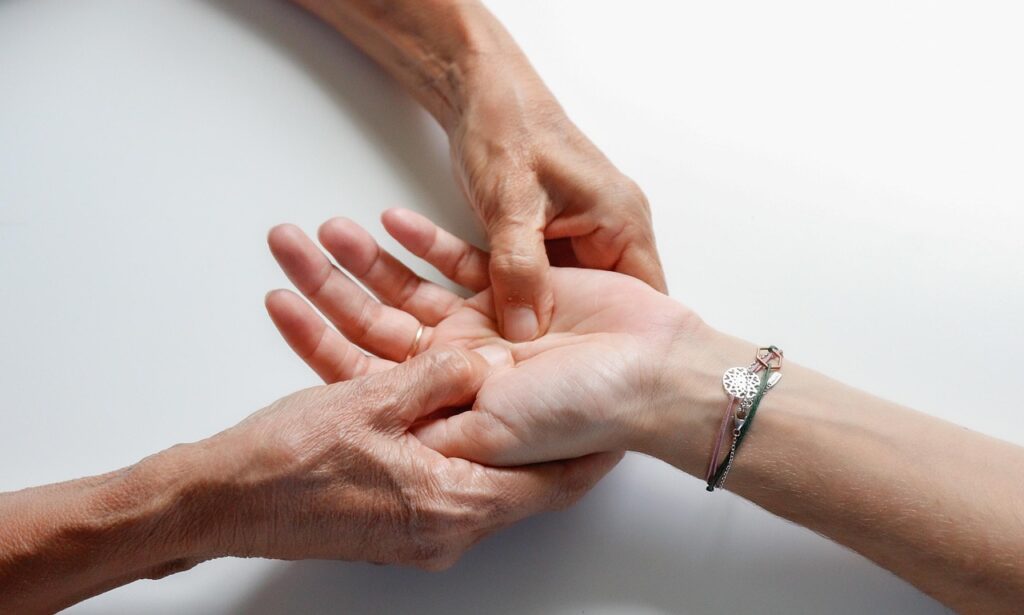
The most encouraging trend in 2026 is that the perceived battle between “the Bible and the couch” is ending. We are seeing a rise in Faith-Integrated Therapy, where licensed professionals work in tandem with local churches. Progressive communities are now building “referral networks,” where pastors openly acknowledge when a situation is beyond their training. They are saying, “I can pray with you and walk with you spiritually, but I want you to see this specialist to help you process your trauma.” This humility in leadership is actually increasing trust within the congregation.
This collaborative care model recognizes that the church is a “community of belonging,” while therapy is a “clinic for healing.” One provides the family, and the other provides the medicine. When a woman is supported by both, her growth is exponential. Therapy clears the emotional “clutter” of shame and past trauma, which actually allows her to hear the voice of God more clearly and engage with Scripture more deeply. The future of the Christian community is one where “bearing one another’s burdens” includes advocating for one another’s mental health, ensuring that every woman has the tools she needs to flourish in every facet of her life.
Conclusion: Stewardship of the Mind
If you find yourself on a therapist’s couch today, know that you are not “failing” at being a Christian. You are practicing stewardship of the most complex gift God ever gave you: your mind. Seeking help isn’t a sign of a weak spirit; it’s a sign of a wise heart that honors the “fearful and wonderful” design of the human person (Psalm 139:14). As we move forward, let us build a world where the church and the clinic work together, ensuring that no one has to choose between their faith and their sanity.

Leave a Reply